Read more
Glass beer bottles are widely used by breweries and beverage producers because they meet several requirements within a single packaging format: product protection, suitability for food contact, efficient filling and clear presentation on the market.
Choosing the right bottle supports both the bottling process and the commercial positioning of the beer, whether it is intended for specialist retail, hospitality, direct sale or distribution.
For craft breweries, contract bottlers and larger producers, glass also provides a familiar and established format for professional beer packaging.
The benefits of glass bottles for beer
Glass is chemically neutral and does not alter the flavour or aroma of the beverage, helping preserve the organoleptic profile developed during production.
Its suitability for food contact makes it a reliable material for professional beer packaging, while the container provides a physical barrier between the product and the external environment.
These qualities are particularly relevant for craft and premium beers, where recipe, freshness and sensory identity are central to the product's value.
Glass also reinforces perceived quality and gives producers scope to differentiate their ranges through bottle colour, shape, label design and overall presentation.
Formats and solutions for breweries and producers
The choice of bottle capacity and format should reflect serving occasion, production volumes, filling requirements and route to market.
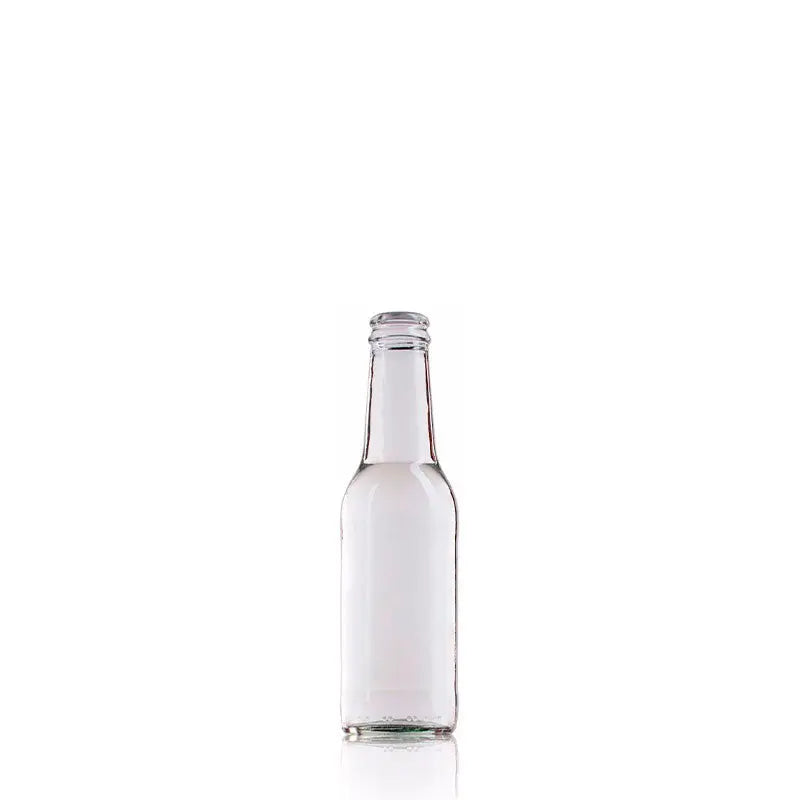
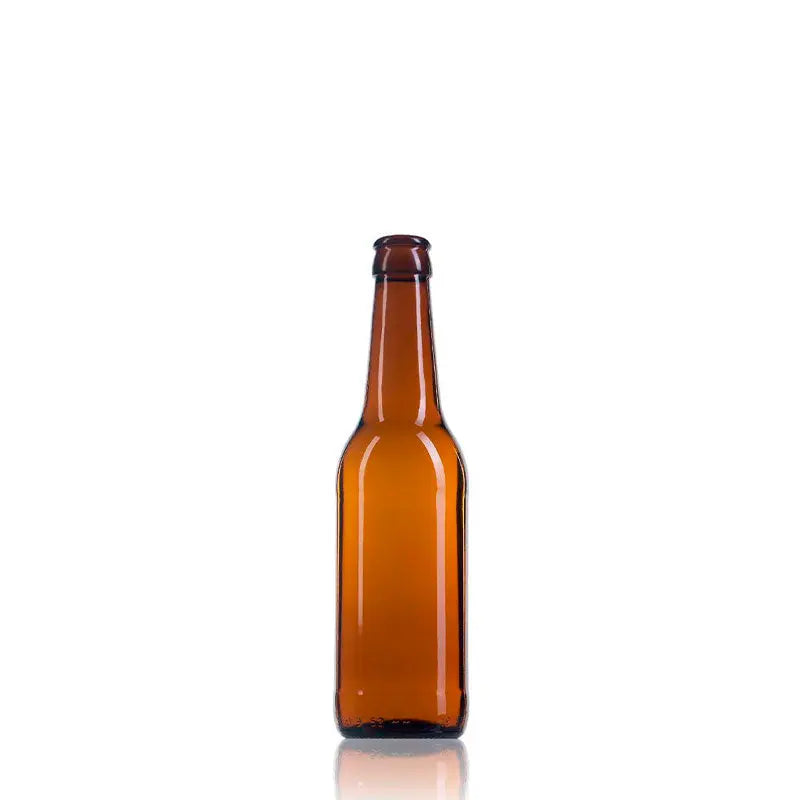
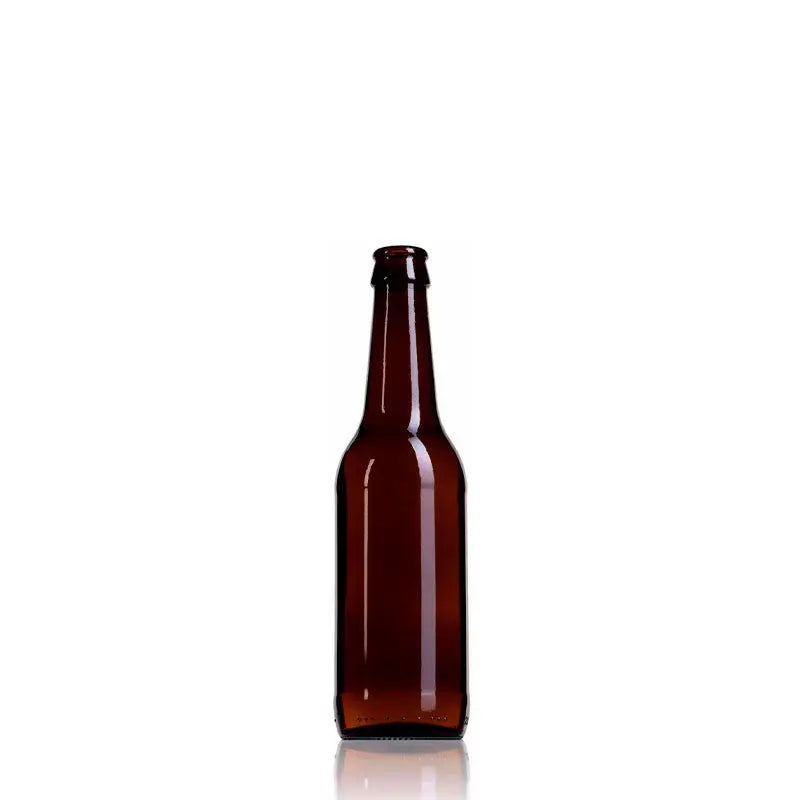
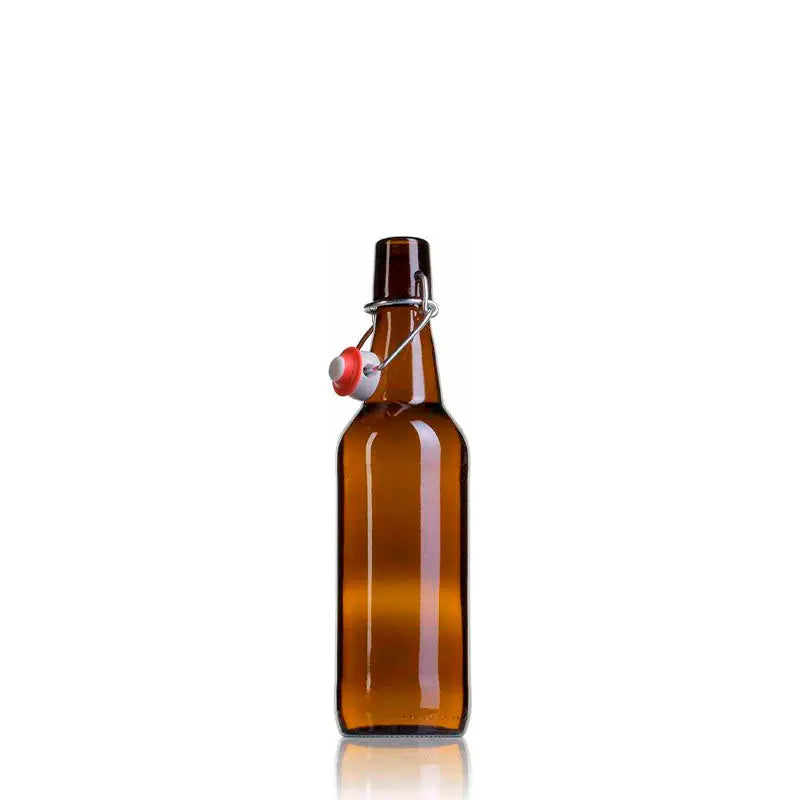
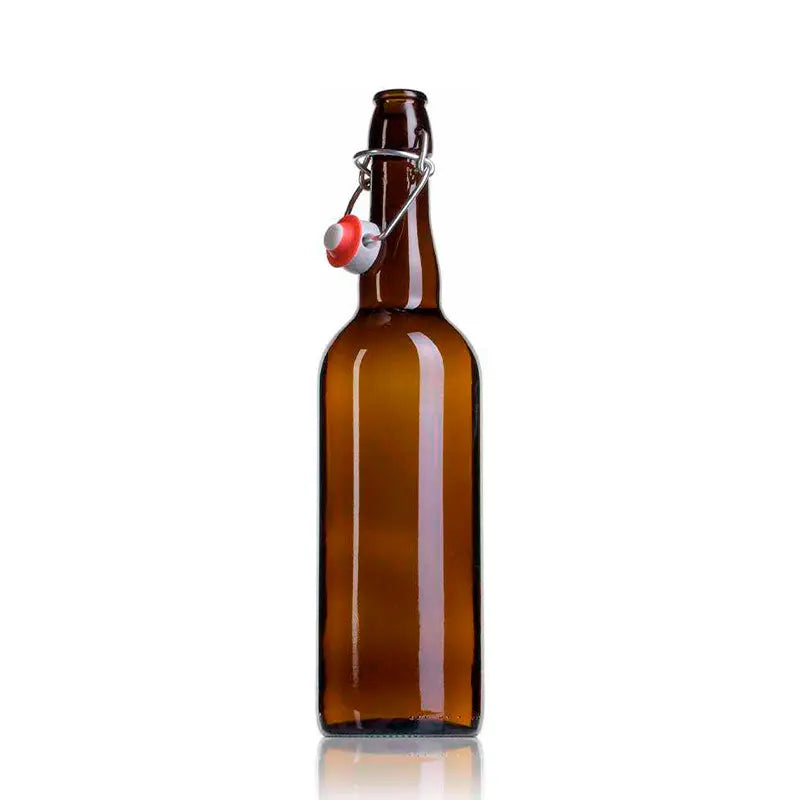
The range in this category includes cylindrical glass bottles in flint and amber colours, with capacities from 200 to 750 ml.
These options allow breweries to assess different configurations for individual servings, standard product lines or larger formats. Bottle selection should also consider compatibility with the filling line, the intended closure and secondary packaging.
This makes the category relevant to microbreweries, established beer producers, beverage companies and third-party bottlers.
Glass bottles for craft beer and professional production
Craft beer bottles often perform two roles: they protect the beverage and communicate its identity. Shape, colour and capacity influence shelf presence, label layout and the distinction between core products, seasonal recipes and premium lines.
The same considerations apply to professional beer production and distribution, where packaging must fit established bottling, handling and logistics processes.
Empty beer bottles should therefore be evaluated as part of the complete packaging system, alongside closures, labels, cartons and the operational requirements of the filling line.
Choosing bottles for beer packaging
When selecting glass beer bottles, buyers should compare the intended use, required capacity, bottle colour, filling process and closure system.
The available catalogue provides cylindrical flint and amber bottles from 200 to 750 ml for different beer packaging projects.
Reviewing the individual product specifications makes it possible to identify the options most closely aligned with production, presentation and distribution requirements.